
A peaceful flock is easier to manage, more enjoyable to watch, and less likely to develop stress-related problems. If you are choosing birds for a family homestead or adding new hens to an established group, temperament deserves as much attention as egg color and production.
No breed guarantees identical behavior in every bird. Handling, space, age, and the personalities already in your coop all matter. Still, some breeds are widely known for being steady, approachable, and well suited to mixed backyard flocks.
What Makes a Chicken Breed Friendly?
Friendly chickens are usually calm around people, less likely to panic during routine care, and able to settle into a flock without constant conflict. That does not mean they will sit at the bottom of the pecking order. A confident, even-tempered hen often adapts better than a nervous bird that runs from every interaction.
Look for breeds that match your goals as well as your flock. Consider mature size, activity level, climate tolerance, egg production, and whether you want a bird that enjoys free ranging or is content in a roomy run.
1. Buff Orpington
Buff Orpingtons are a classic choice for families and first-time chicken keepers. Their large, fluffy appearance matches their typically gentle nature. They are dependable brown-egg layers, handle cooler weather well, and often become comfortable around people with regular calm handling.
2. Black Australorp
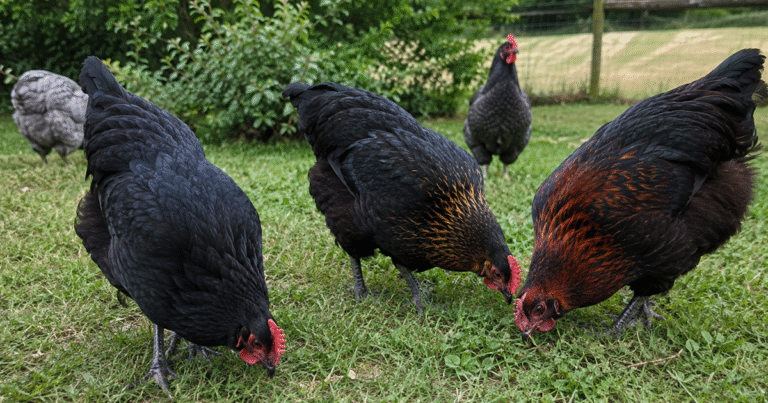
Black Australorps combine a calm disposition with excellent laying ability. They tend to be steady rather than flighty, making them easy to work around in the coop and run. Their productive nature makes them especially appealing when you want friendly birds without giving up a strong supply of brown eggs.
3. Light Sussex
Light Sussex chickens are curious, attractive dual-purpose birds that often become confident around their caretakers. They enjoy exploring and foraging but are generally manageable in a mixed flock. Their useful combination of personality, size, and egg production makes them a versatile homestead breed.
Are you enjoying the content so far? Consider subscribing! You will get an email every time we post a new blog, and best of all, it is free.
"*" indicates required fields
4. Silver Laced Wyandotte
Silver Laced Wyandottes are confident, cold-hardy birds with striking plumage. They can hold their place in the pecking order without being constantly disruptive, which is useful in a flock containing several breeds. Their sturdy build and reliable brown eggs add practical value to their good looks.
5. Easter Egger
Easter Eggers bring variety to the flock through their colorful eggs and wide range of feather patterns. Many are active, personable birds that do well when given room to explore. They are a popular option for families that want approachable chickens and a more colorful egg basket.
6. Barred Rock
Barred Rocks are practical, people-friendly birds known for their recognizable black-and-white pattern. They are active enough to forage well but usually remain easy to handle. Because they are confident and productive, they can be a good anchor breed in a mixed backyard flock.
7. Amber Sexlink
Amber Sexlinks are efficient layers with a generally manageable temperament. They suit flock owners who want reliable egg production and birds that adapt well to a regular care routine. Their lighter coloring also adds visual variety beside darker and patterned breeds.
Temperament Is Only Part of Flock Compatibility
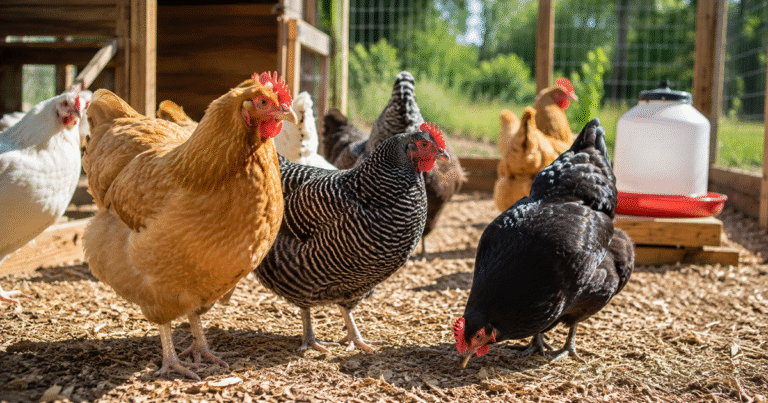
Even calm breeds need enough space and resources. Crowding can make gentle birds aggressive, especially when hens compete for one feeder, one waterer, or a limited number of roosting spots. Provide more than one feeding and watering station during an introduction, and arrange the run so lower-ranking birds can move away without becoming trapped.
Try to combine birds of similar size and maturity. Young pullets may need time to grow before joining full-sized hens, while meat birds have different feeding and growth needs and are often easier to manage separately from layers.
Introduce New Birds Slowly
Breed choice can make integration easier, but a careful introduction still matters. Quarantine new birds first, then use a secure fence for several days of “see but no touch” contact. Add multiple feeders, supervise the first meetings, and expect a little chasing while the flock reorganizes its pecking order.
For the complete process, read our guide to introducing new chickens to your existing flock without chaos.
Build a Flock That Fits Your Homestead
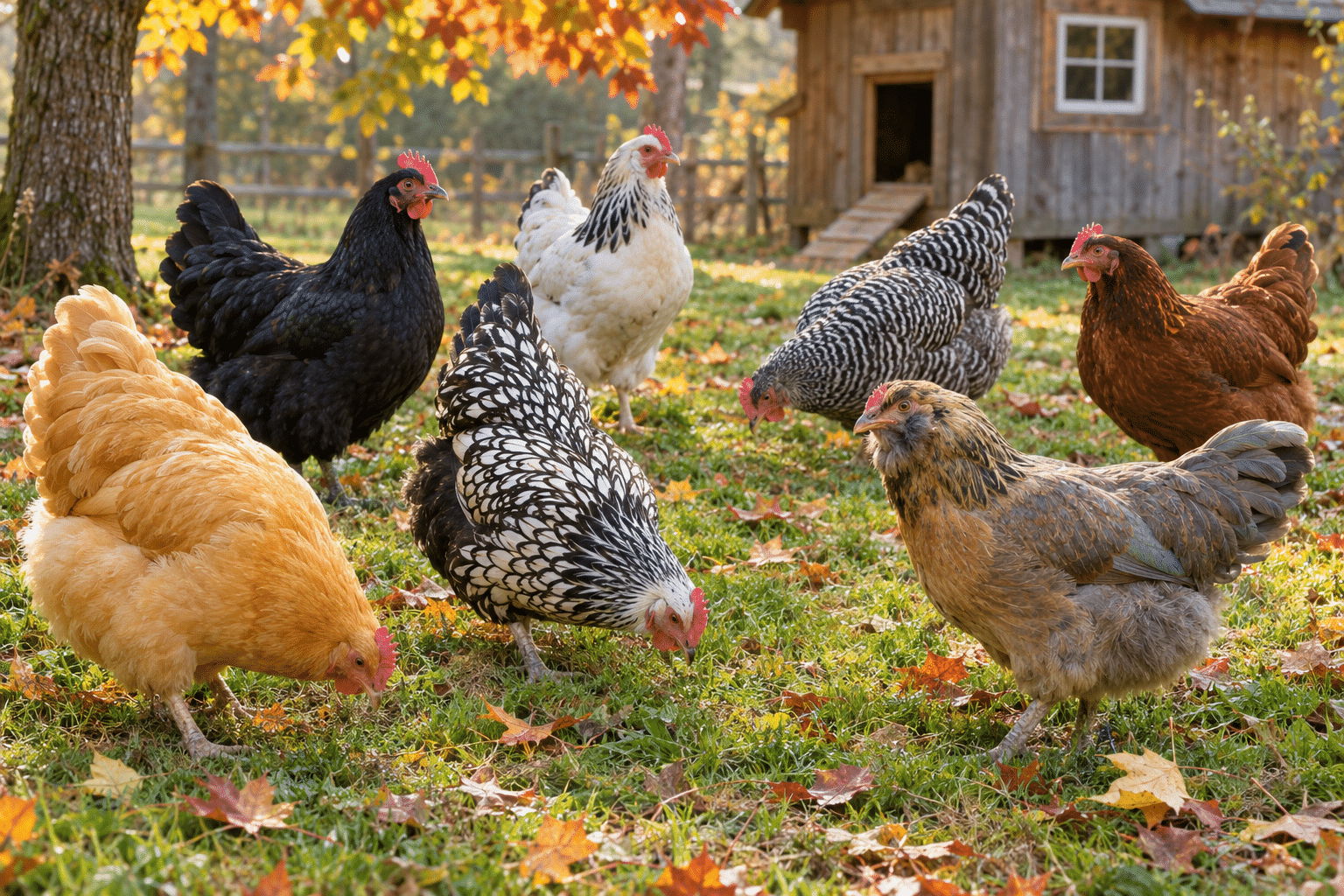
The best flock is one whose temperament and production match the way you keep chickens. Start with healthy birds, provide enough room, and choose breeds whose energy level and mature size complement one another. With thoughtful planning, a mixed flock can be peaceful, productive, and full of personality.
Browse chicks available now from Valley Farms Hatchery, or compare the breed pages above to plan your next flock addition.