
Healthy chickens begin with good daily habits. While genetics play an important role, proper care, nutrition, and cleanliness are what keep a flock thriving for years to come.
Whether you’re raising a few backyard hens or a larger homestead flock, these simple practices can help prevent illness and keep your birds happy and productive.
1. Start with Healthy Chicks
A healthy flock begins before your chicks even arrive home.
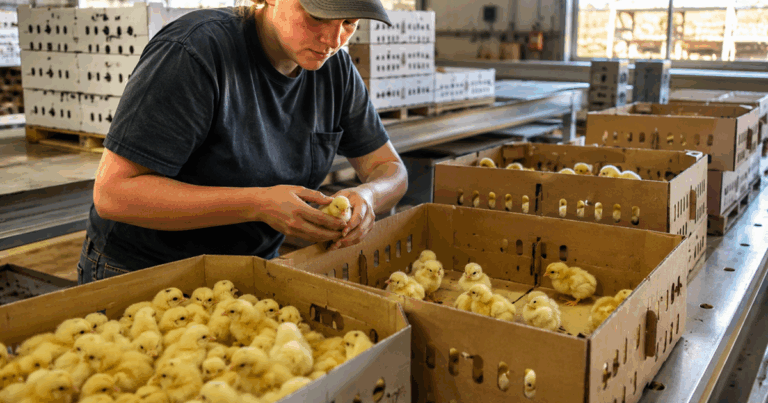
Purchasing chicks from a reputable hatchery helps reduce the risk of disease and gives your birds the strongest possible start.
Valley Farms Hatchery carefully hatches and ships healthy chicks so customers can begin with birds that are ready to grow and thrive.
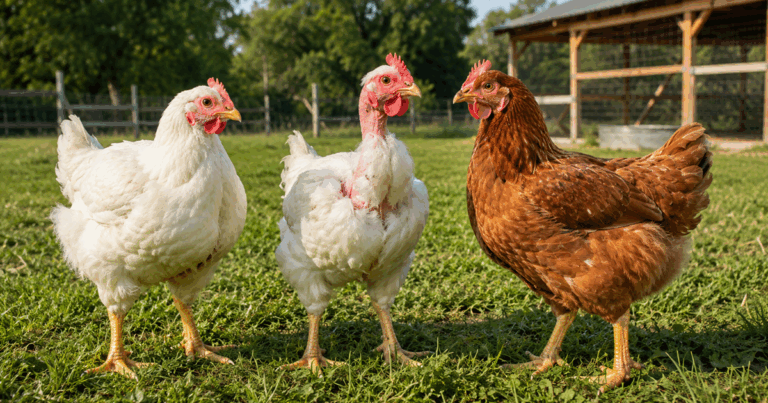
Whether you choose dependable layers like White Leghorns, friendly favorites like Buff Orpingtons, or hardy dual-purpose breeds such as Barred Rocks and Rhode Island Reds, starting with quality stock makes a difference.
2. Keep the Coop Clean
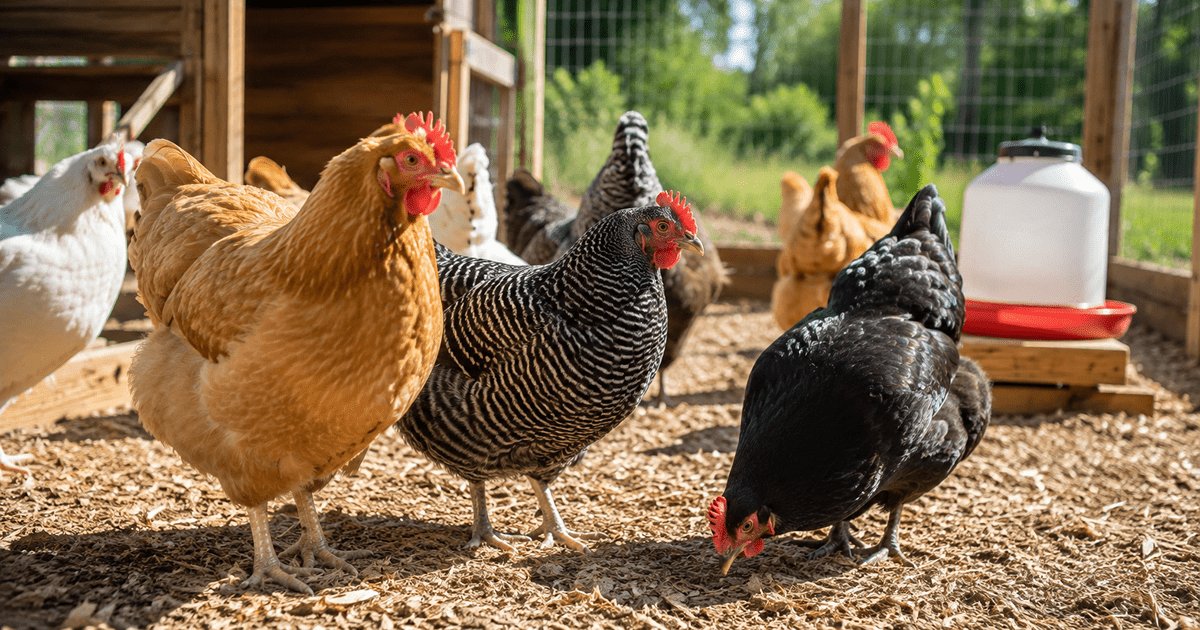
A clean coop is one of the best defenses against disease.
Regularly:
- Replace wet bedding
- Remove droppings
- Clean feeders and waterers
- Improve ventilation
Dry bedding helps reduce bacteria, parasites, and respiratory issues.
3. Always Provide Fresh Water
Clean water is just as important as quality feed. During summer, check waterers several times each day to ensure they stay cool and clean. Dirty water can quickly spread bacteria throughout a flock.
Are you enjoying the content so far? Consider subscribing! You'll get an email every time we post a new blog, and best of all...it's FREE!
"*" indicates required fields
4. Feed a Balanced Diet
Healthy birds need complete nutrition. Feed should always match your birds’ stage of life.
- Chick starter for young chicks
- Grower feed for developing birds
- Layer feed for laying hens
- High-protein rations for broilers
Good nutrition strengthens the immune system and supports healthy growth.
5. Practice Good Biosecurity
One sick bird can affect an entire flock. Simple biosecurity habits include:
- Quarantining new birds for several weeks
- Limiting unnecessary visitors to your coop
- Cleaning boots and equipment after visiting other poultry owners
- Discouraging contact with wild birds whenever possible
These small habits can greatly reduce the risk of disease entering your flock.
6. Watch for Changes
Chickens often show subtle signs when something isn’t right.
Look for:
- Reduced appetite
- Lethargy
- Changes in droppings
- Pale combs
- Decreased egg production
Early detection often makes problems much easier to manage.
7. Give Your Chickens Enough Space
Overcrowding creates unnecessary stress. Proper space allows birds to:
- Exercise naturally
- Avoid excessive pecking
- Stay cleaner
- Enjoy better airflow
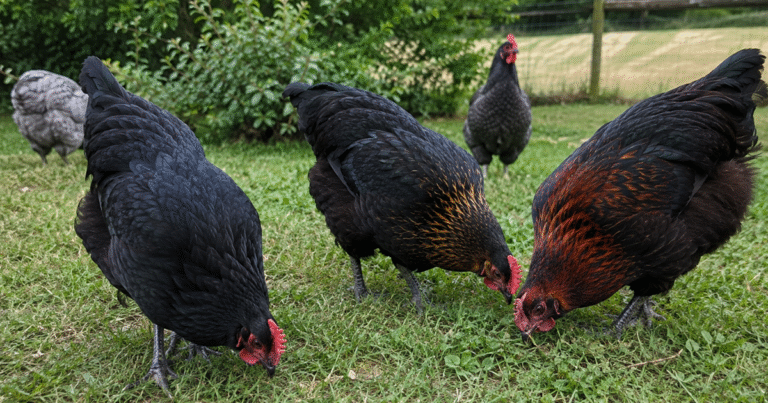
Friendly breeds like Black Australorps, Silver Laced Wyandottes, Lavender Orpingtons, and Easter Eggers all benefit from roomy, well-managed environments.
Healthy Birds Begin with Good Management
Keeping chickens healthy doesn’t require complicated routines. Clean housing, fresh water, quality feed, and good biosecurity go a long way toward preventing many common problems.
By starting with healthy chicks from Valley Farms Hatchery and following a few simple management practices, you can enjoy a productive flock that provides fresh eggs, companionship, or quality meat for years to come.
Healthy chickens are happy chickens, and a little prevention today helps avoid bigger problems tomorrow.