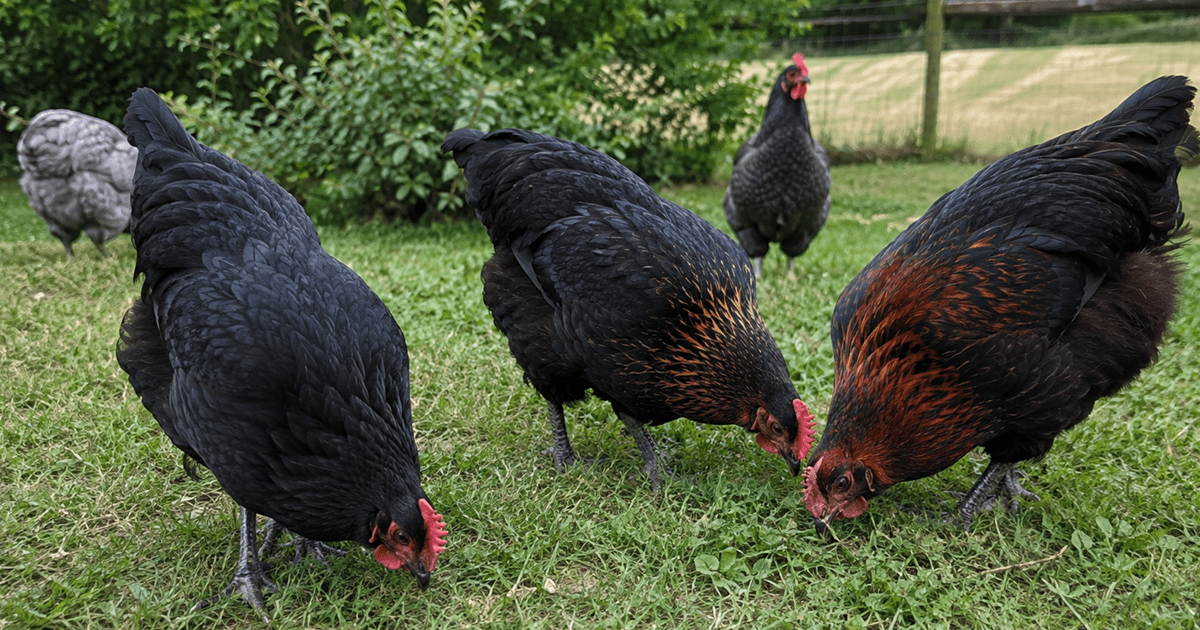

For backyard chicken keepers, few things are more enjoyable than watching a flock roam across the yard, scratching for insects and exploring the pasture. Free ranging provides plenty of enrichment, but it also exposes chickens to predators.
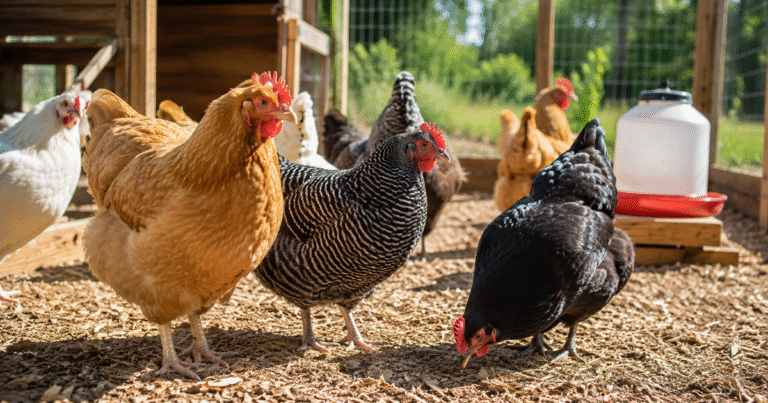
One interesting strategy used by some poultry keepers is choosing black or dark-colored chickens for free-range flocks. The idea is that darker plumage may make chickens less conspicuous in certain surroundings and potentially less noticeable to predators.
So, can choosing a darker chicken really make a difference?
Dark Plumage May Provide Natural Camouflage
Predators often rely heavily on sight when locating prey. Hawks and other birds of prey can scan large areas from above, looking for movement and contrast against the landscape.
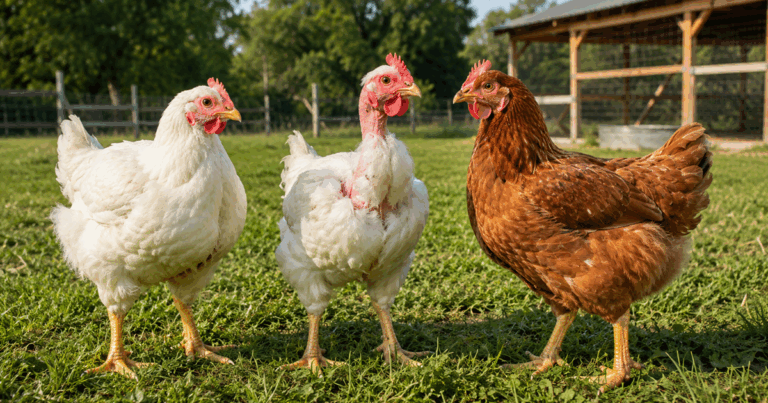
A bright white chicken moving across green grass can be remarkably easy to see. Black, blue, and other dark-feathered chickens may blend more readily with shadows, vegetation, wooded areas, and darker ground cover.
Some chicken keepers also believe that black chickens may be less appealing targets to aerial predators because their silhouette resembles dark wild birds such as crows. While this is a popular theory among poultry owners, dark coloration should never be considered guaranteed protection from hawks or other predators.
Think of dark plumage as one possible advantage—not a replacement for good flock management.
Dark Chickens Can Be Less Noticeable at Dusk
Color may also make a difference as daylight fades.
Light-colored chickens can remain highly visible against dark vegetation or around a dimly lit coop. Dark-feathered birds naturally create less contrast in these environments.
However, nighttime predators such as raccoons, foxes, coyotes, and opossums use more than sight to locate prey. Every chicken, regardless of color, should therefore be inside a secure, predator-resistant coop at night.
Are you enjoying the content so far? Consider subscribing! You'll get an email every time we post a new blog, and best of all...it's FREE!
"*" indicates required fields
Three Dark Breeds to Consider
If you’d like to add darker birds to your backyard or free-range flock, Valley Farms Hatchery offers several excellent choices.
Black Australorp
The Black Australorp combines beautiful glossy black plumage with a calm disposition and excellent egg-laying ability. Australorps are active enough to enjoy foraging while generally being easy to manage, making them an excellent all-around homestead chicken.
Black Sexlink
For chicken keepers focused on egg production, the Black Sexlink is a strong choice. These productive hybrids are known for laying plenty of large brown eggs. Their predominantly dark plumage also makes them an attractive addition to a mixed free-range flock.
French Black Copper Marans
The French Black Copper Marans offers something especially distinctive. These striking birds feature primarily black plumage with rich copper coloring and are prized for their beautiful dark brown eggs. They’re also capable foragers, making them well suited to many homestead environments.
Valley Farms also offers other darker options, including Blue Australorps and Blue Sexlinks, for customers who want additional variety in their flock.
Color Is Only One Part of Predator Protection
No chicken breed is predator-proof.
The best free-range strategy combines attentive management with multiple layers of protection. Provide chickens with places to take cover, such as shrubs, trees, shelters, or covered areas. Secure the coop every evening, maintain strong fencing where practical, and stay alert for signs of predators around your property.
Supervised free ranging can provide another layer of protection, particularly in areas with heavy predator activity.
Choosing Chickens for Your Free-Range Flock
Dark-colored chickens can be an appealing choice for free-range and homestead environments. Their coloring may help them blend into certain surroundings, while breeds such as Black Australorps, Black Sexlinks, and French Black Copper Marans offer valuable characteristics beyond their appearance—including excellent egg production and strong foraging ability.
When choosing your next chickens, consider the whole package: temperament, egg production, climate, foraging ability, and how well the breed fits your property.
Explore the available breeds from Valley Farms Hatchery to find chickens that are right for your backyard or homestead flock.