
A well-designed chicken coop is one of the most important investments you can make for your flock. Whether you’re building from scratch or buying a ready-made setup, the right coop keeps your chickens safe, comfortable, and productive.
If you’re planning your flock this spring, here’s everything you need to know to create the perfect home for your chickens.
Start With the Right Size
One of the most common mistakes new chicken owners make is building a coop that’s too small.
As a general rule:
- 4 square feet per chicken inside the coop
- 8–10 square feet per chicken in the run
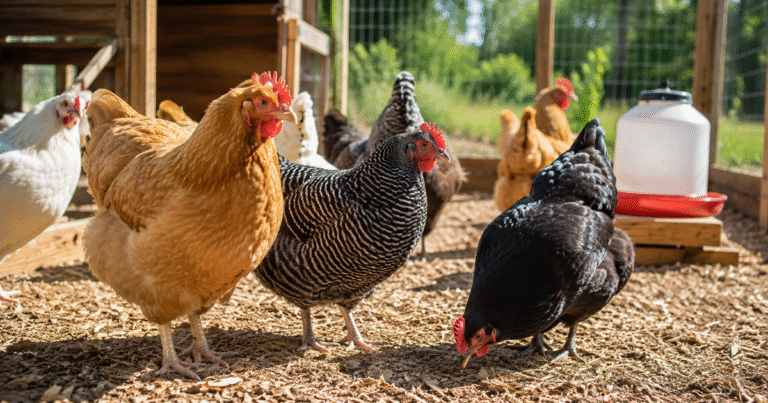
Larger breeds like Buff Orpingtons, Barred Rocks, and Light Sussex need more space due to their size and calm nature. More active breeds like White Leghorns and Sexlinks also benefit from extra room to move around.
Overcrowding can lead to stress, feather picking, and reduced egg production—so when in doubt, go bigger.
Ventilation Is Essential
Good airflow is critical for keeping your chickens healthy.
A proper coop should have:
- Vent openings near the roofline
- Protection from direct drafts
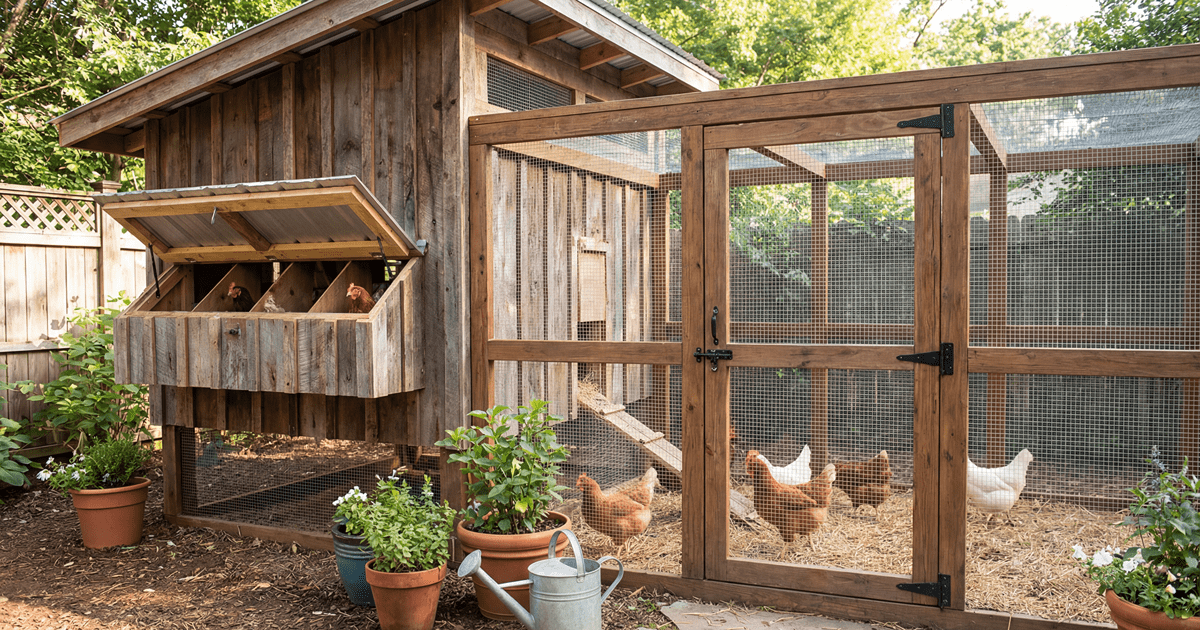
- Wire-covered openings to keep predators out
Chickens produce moisture through breathing and droppings. Without ventilation, that moisture builds up and can lead to respiratory issues, especially in humid or cold conditions.
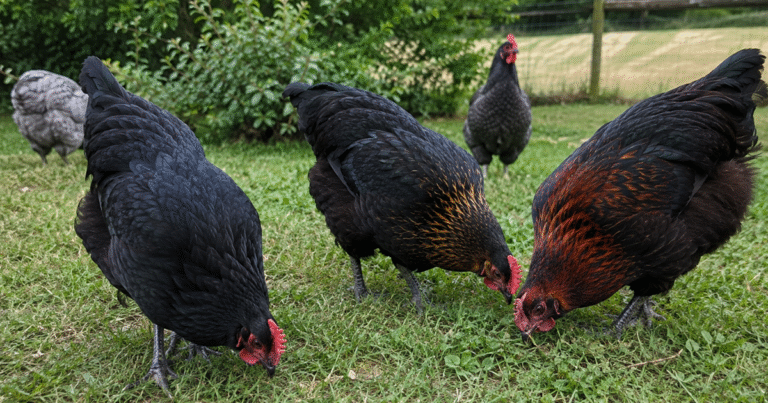
Cold-hardy breeds like Black Australorps, Silver Laced Wyandottes, and Rhode Island Reds tolerate cooler temperatures well—but they still need dry, well-ventilated housing.
Nesting Boxes and Roosting Bars
Your coop should include both nesting boxes and roosting space.
Nesting boxes:
- One box for every 3–4 hens
- Filled with clean bedding like straw or shavings
- Placed in a quiet, darker area of the coop
Roosting bars:
- Provide about 8–12 inches per chicken
- Positioned higher than nesting boxes (chickens prefer to sleep up high)
Friendly, docile breeds like Buff Orpingtons, Australorps, and Delawares adapt easily to structured coop setups and are less likely to compete aggressively for space.
Are you enjoying the content so far? Consider subscribing! You'll get an email every time we post a new blog, and best of all...it's FREE!
"*" indicates required fields
Predator Protection Matters
Predators are one of the biggest threats to backyard flocks. Your coop should be built like a fortress.
Key protections include:
- Hardware cloth (not chicken wire) for openings
- Secure latches on doors
- Covered runs to prevent aerial attacks
- Buried wire or aprons to stop digging predators
Even suburban areas can have raccoons, foxes, or hawks, so it’s important to plan for protection from day one.
Easy Cleaning and Maintenance
A clean coop is a healthy coop.
Design your coop so it’s easy to maintain:
- Large access doors for cleaning
- Removable trays or dropping boards
- Smooth surfaces that are easy to scrape
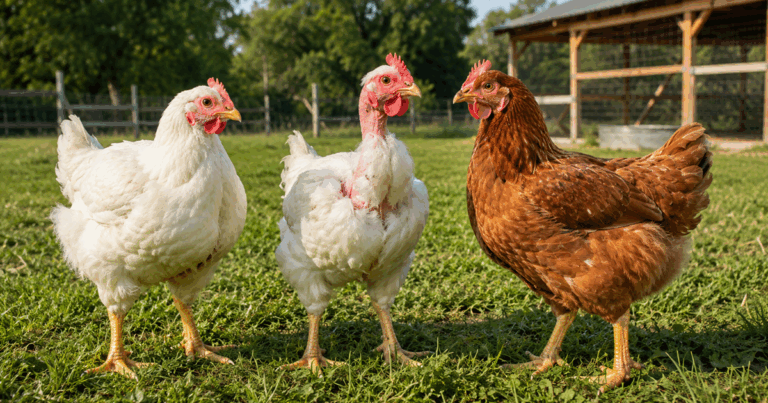
Low-maintenance breeds like Barred Rocks, Production Reds, and Sexlinks are especially popular for backyard setups because they stay productive even with simple coop systems.
Coop Design Based on Your Goals
Your coop setup should match your flock’s purpose.
- Egg-laying flocks: Prioritize nesting boxes and easy egg collection
- Meat birds: Simple, well-ventilated shelters work best for Cornish Cross Broilers and Pioneer Broilers, often separate from layer coops
- Mixed flocks: Allow extra space and multiple feeding areas to reduce competition
Choosing the right breeds from Valley Farms Hatchery helps you design your coop more effectively from the start.
Location and Layout
Where you place your coop matters just as much as how you build it.
Choose a location that is:
- Slightly elevated to prevent flooding
- Partially shaded to reduce heat stress
- Close enough for easy daily access
Adding a run or allowing supervised free-ranging gives chickens the exercise they need to stay healthy and productive.
Build Once, Build Right
A well-designed coop sets the foundation for a successful chicken-keeping experience. By planning for space, ventilation, safety, and ease of care, you create an environment where your chickens can thrive.
Pairing a quality coop with healthy, well-bred chicks from Valley Farms Hatchery ensures your flock starts strong and stays productive for years to come.