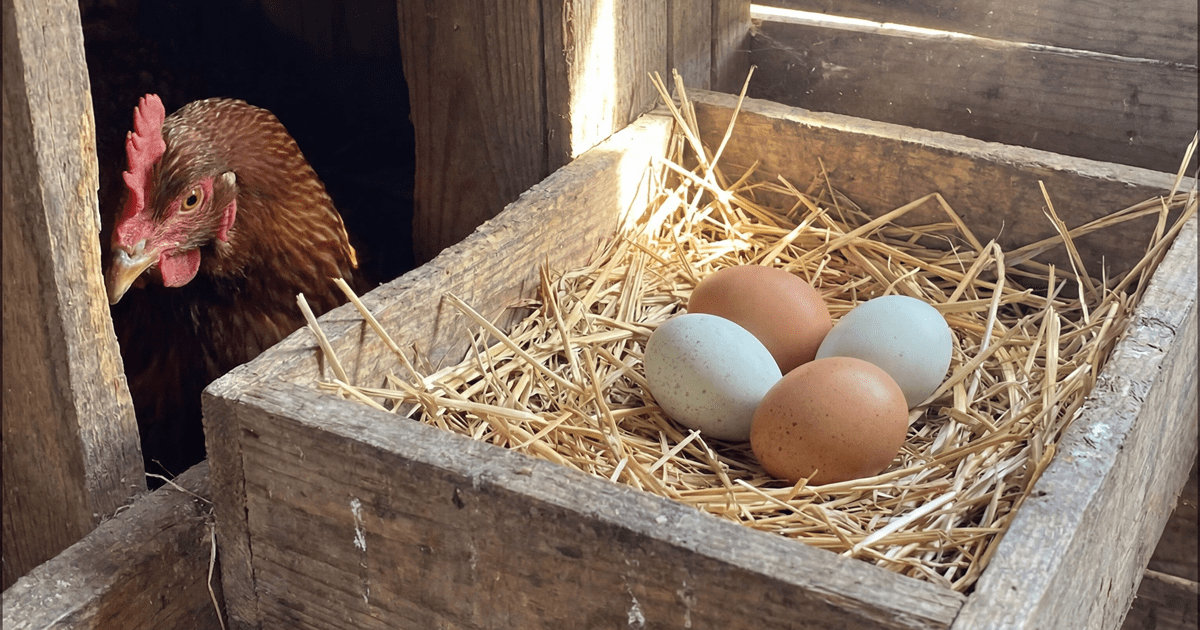

There’s nothing more rewarding than collecting fresh eggs from your own backyard flock—but if you’re noticing thin shells, inconsistent laying, or fewer eggs than expected, something may be off.
The good news? Most egg production issues come down to a few simple factors. By dialing in your flock’s nutrition, environment, and breed selection, you can dramatically improve both the quantity and quality of eggs your chickens produce.
1. Nutrition Is the Foundation of Egg Production
If there’s one “secret” to strong eggshells, it’s proper nutrition.
Laying hens need a balanced layer feed with around 16% protein and added calcium. Calcium is essential for forming strong shells, and without enough of it, hens may produce:
- Thin or soft shells
- Misshapen eggs
- Fewer eggs overall
To boost calcium naturally, you can also provide:
- Crushed oyster shells (free choice)
- Clean, crushed eggshells
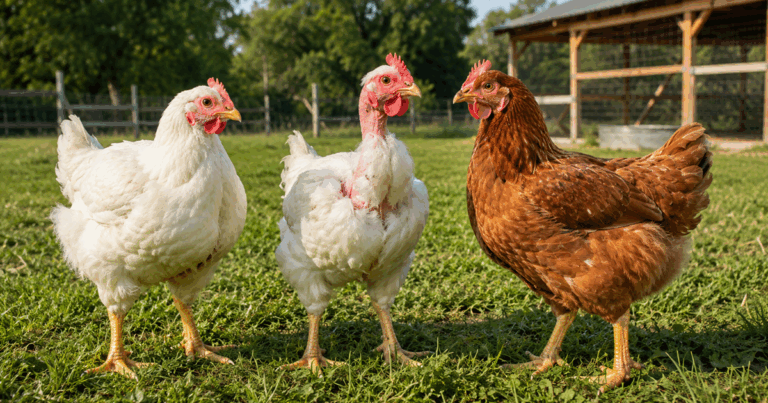
High-production breeds like White Leghorns, Brown Sexlinks, Amber Sexlinks, and Production Reds especially benefit from consistent, high-quality feed due to their heavy laying output.
2. Consistent Lighting Matters More Than You Think
Chickens rely on daylight to regulate their laying cycle.
For optimal production, hens need about 14–16 hours of light per day. In spring and early summer, natural daylight usually provides plenty. However, shorter days or shaded coop areas can reduce egg production.
If your hens slow down unexpectedly, lighting could be the reason—not their health.
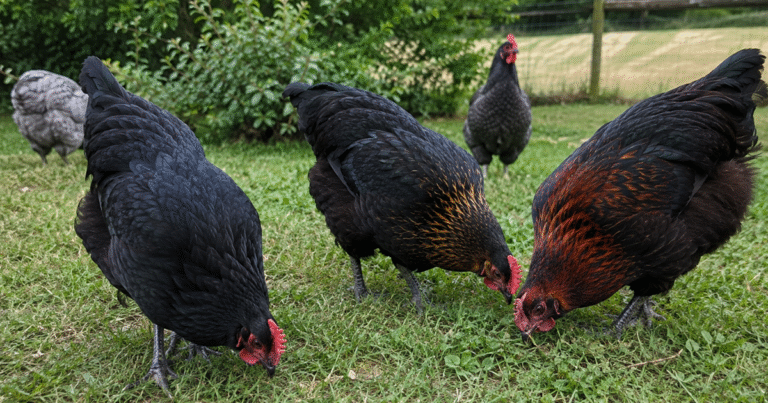
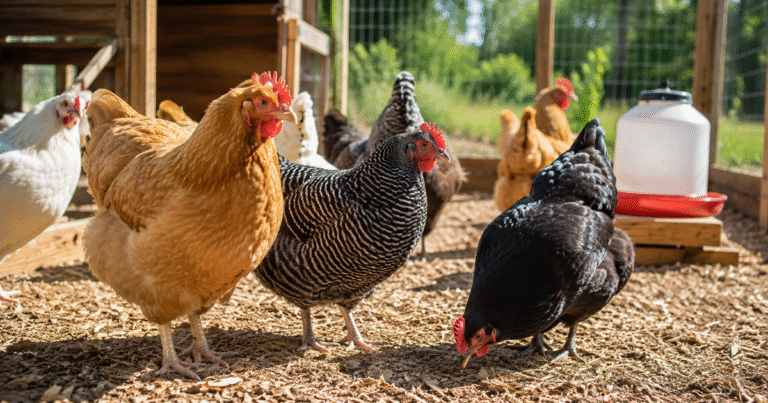
Reliable layers like Rhode Island Reds, Black Australorps, and Barred Rocks tend to maintain production well, but even they need adequate light to perform their best.
3. Reduce Stress for Better Eggs
Chickens are sensitive animals, and stress can quickly impact egg production.
Common stress factors include:
- Overcrowding
- Predator threats
- Sudden changes in environment
- Lack of food or water
A calm, comfortable flock lays more consistently. Friendly, docile breeds like Buff Orpingtons, Light Sussex, and Australorps are known for their steady laying habits and relaxed personalities, making them excellent choices for backyard setups.
Are you enjoying the content so far? Consider subscribing! You'll get an email every time we post a new blog, and best of all...it's FREE!
"*" indicates required fields
4. Provide Fresh Water at All Times
It’s easy to overlook, but water is just as important as feed.
Even a short period without water can cause hens to stop laying altogether. Always ensure your flock has access to clean, fresh water, especially during warmer months.
5. Choose the Right Breeds From the Start
Some chickens are simply better layers than others. If your goal is maximum egg production, breed selection plays a huge role.
Top egg-laying breeds available from Valley Farms Hatchery include:
- White Leghorn – industry-leading white egg production
- Brown, Amber, Blue, and Black Sexlinks – dependable and efficient layers
- Production Red & Rhode Island Red – hardy, consistent brown egg producers
- Black Australorp – known for excellent production, even in cooler weather
- Easter Egger – lays beautiful blue and green eggs, adding variety to your basket
Starting with the right breeds ensures you’re set up for success from day one.
6. Keep Nesting Boxes Clean and Comfortable
Hens are more likely to lay consistently when they have a safe, clean place to do so.
Make sure your nesting boxes are:
- Dry and well-bedded
- Slightly dark and quiet
- Easy for hens to access
Dirty or crowded nesting areas can lead to broken eggs or hens laying outside the coop.
7. Age and Molting Affect Production
If your hens suddenly stop laying, it may be completely normal.
Chickens naturally:
- Lay less as they age
- Pause production during molting (feather shedding)
During these times, focus on nutrition and care—production will typically resume once the cycle passes.
Build a Flock That Produces
Strong eggshells and consistent egg production don’t happen by accident—they’re the result of good care, proper nutrition, and choosing the right breeds.
By starting with high-quality chicks from Valley Farms Hatchery and giving them the environment they need to thrive, you can enjoy a steady supply of fresh, healthy eggs for years to come.
Whether you’re raising a few backyard hens or building a productive flock, the right foundation makes all the difference.