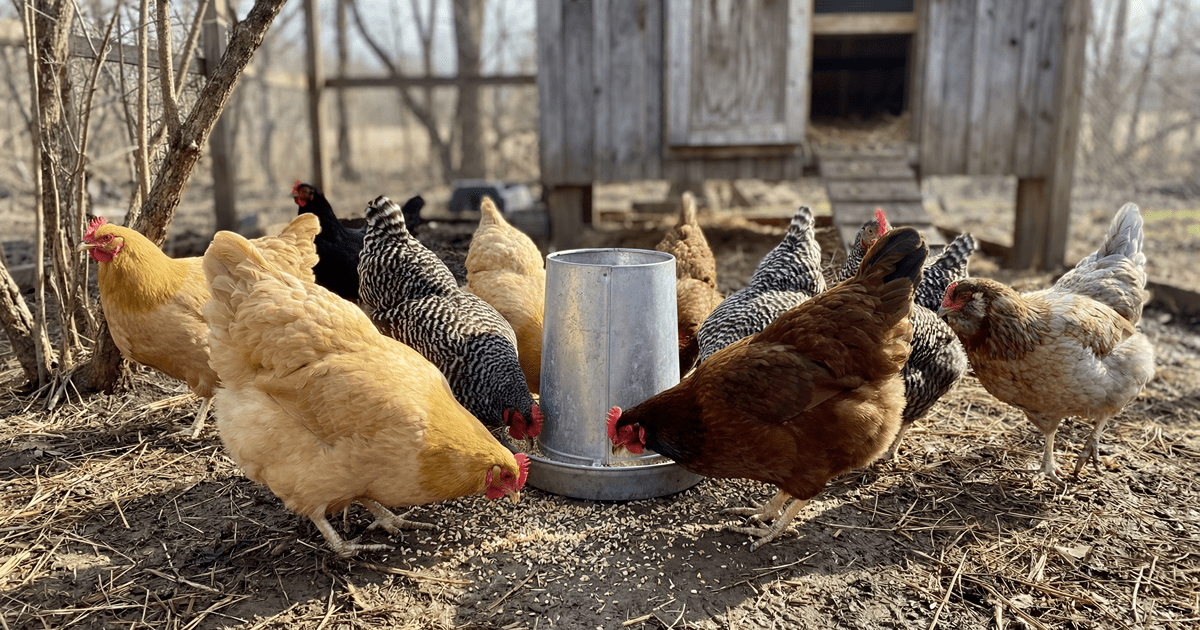

Feeding chickens might seem simple at first glance, but the truth is that a chicken’s nutritional needs change throughout its life. Providing the right feed at the right stage helps your flock grow strong, stay healthy, and produce high-quality eggs.
Whether you’re raising chicks for eggs, meat, or both, understanding these feeding stages will help your flock thrive from day one.
Starter Feed: The First Step for Baby Chicks
Baby chicks grow incredibly fast during their first weeks of life, which means they need a diet rich in protein and nutrients.
For the first 0–6 weeks, chicks should be fed a chick starter feed containing about 20–22% protein. This high protein level supports rapid growth, strong bones, and healthy feather development.
During this stage, chicks should have constant access to:
Fresh chick starter feed
Clean water
A safe brooder environment
When your chicks first arrive from Valley Farms Hatchery, they may be a little tired from travel. Once placed in a warm brooder with fresh water and starter feed, they typically begin eating and drinking within minutes.
Grower Feed: Supporting Strong Development
Once chicks reach 6–16 weeks old, they transition to grower feed, which usually contains 16–18% protein.
At this stage, chickens are still developing but are no longer growing as rapidly as they did during their first weeks. Grower feed provides balanced nutrition without the extra protein needed during the chick stage.
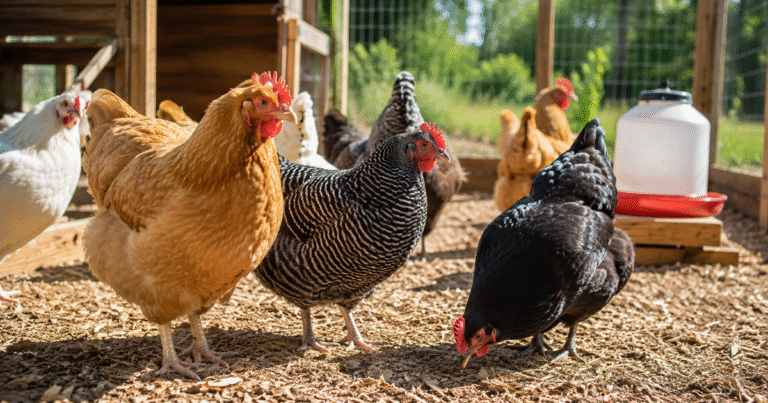
Many popular backyard breeds available from Valley Farms Hatchery thrive during this stage, including:
These breeds mature steadily and begin preparing for egg production as they approach adulthood.
Layer Feed: Fuel for Egg Production
When hens begin laying eggs, typically around 18–20 weeks of age, it’s time to switch to layer feed.
Layer feed contains:
16% protein
Added calcium for strong eggshells
Calcium is essential for laying hens because eggshell formation requires a significant amount of this mineral. Without enough calcium, hens may produce thin or fragile shells.
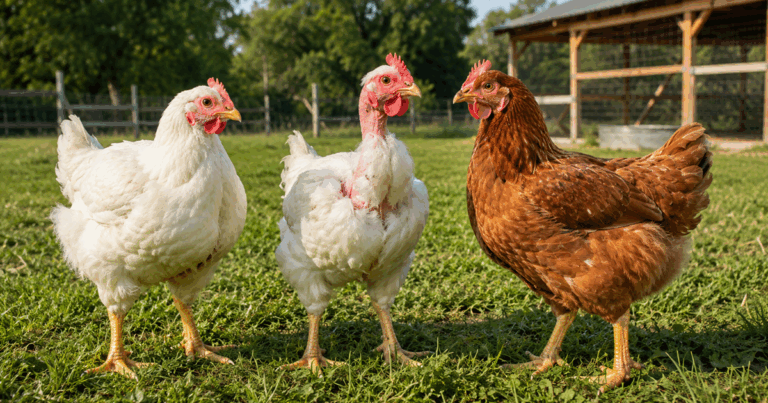
Excellent laying breeds that benefit from high-quality layer feed include:
Brown, Amber, Blue, and Black Sexlinks
These breeds are known for their strong egg production and can lay consistently when provided with proper nutrition.
Are you enjoying the content so far? Consider subscribing! You'll get an email every time we post a new blog, and best of all...it's FREE!
"*" indicates required fields
Feeding Meat Birds
Meat birds grow differently than laying breeds and require a diet designed specifically for rapid weight gain.
Two popular broiler options from Valley Farms Hatchery include:
Cornish Cross Broilers – extremely fast-growing and efficient
Pioneer Broilers – a robust alternative favored by many homesteaders
Broilers are typically fed a high-protein feed (20–24%) throughout most of their growth period to support muscle development.
Because their nutritional needs differ from laying breeds, broilers are often raised separately from egg-laying flocks.
Healthy Treats in Moderation
While commercial feed should make up the majority of your chickens’ diet, occasional treats can provide enrichment and additional nutrients.
Common healthy treats include:
Leafy greens
Vegetable scraps
Fruits in moderation
Scratch grains (sparingly)
Treats should never replace balanced feed but can be a fun way to keep chickens active and engaged.
Fresh Water Is Just as Important as Feed
No matter the stage of life, chickens must always have access to clean, fresh water. Even a short period without water can affect growth, egg production, and overall health.
Waterers should be cleaned regularly to prevent algae and bacteria buildup.
Nutrition Builds a Strong Flock
Feeding chickens properly from chickhood through adulthood lays the foundation for a healthy, productive flock. By choosing the right feed at each stage and starting with healthy chicks from Valley Farms Hatchery, you give your birds the best chance to thrive.
Whether you’re raising high-production layers like Leghorns and Sexlinks, friendly backyard favorites like Buff Orpingtons and Australorps, or meat birds like Cornish Cross and Pioneer Broilers, good nutrition is the key to success.
A well-fed flock is a happy flock—and one that will reward you with strong growth, steady egg production, and years of enjoyment.