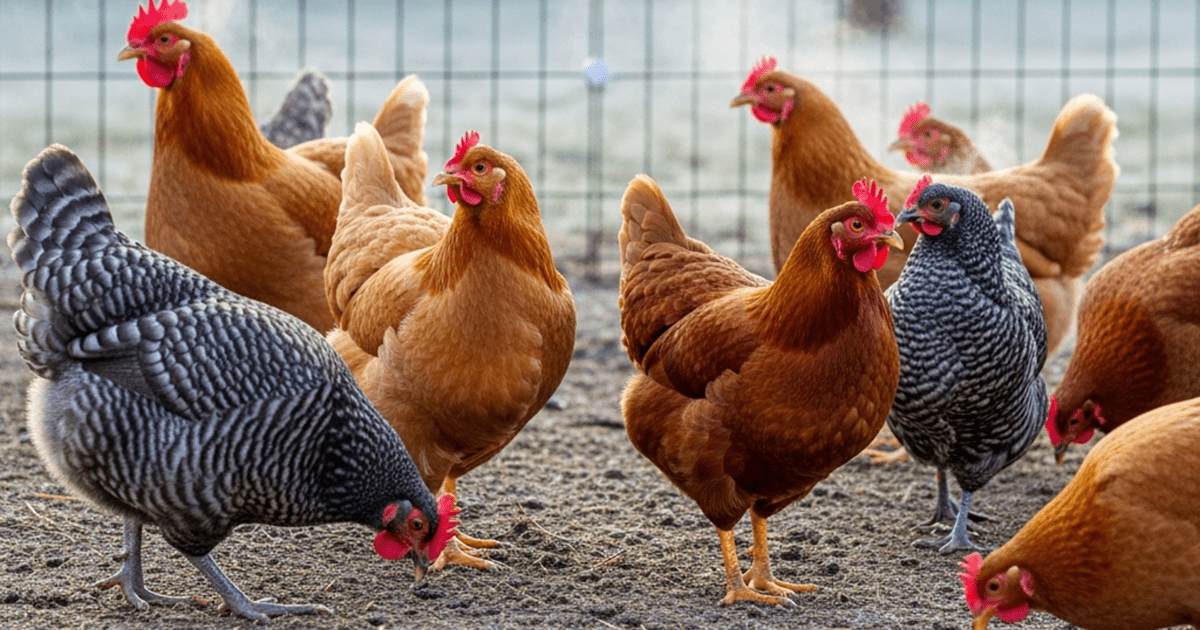

Raising chickens is one of the most rewarding ways to become more self-sufficient, but choosing the right breed from the start can make all the difference. Some chickens excel at laying eggs, others are bred for meat, and some do a little of both. Before ordering chicks, it’s important to understand your goals so you can build a flock that fits your lifestyle, space, and expectations.
This beginner-friendly guide breaks down the most common chicken-keeping goals and the breeds that best match them.
Goal #1: Fresh Eggs for Your Family
If your main goal is a steady supply of eggs, production and consistency matter most.
Some of the best egg-laying breeds available from Valley Farms Hatchery include:
White Leghorn – Exceptional white egg layers, producing over 300 eggs per year; heat tolerant and efficient
Brown Sexlink, Amber Sexlink, Blue Sexlink, Black Sexlink – Known for reliability, early laying, and strong production
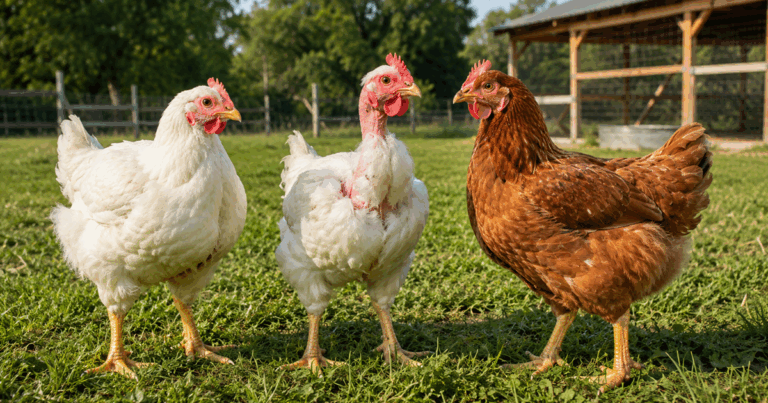
Production Red & Rhode Island Red – Hardy brown egg layers that perform well in many climates
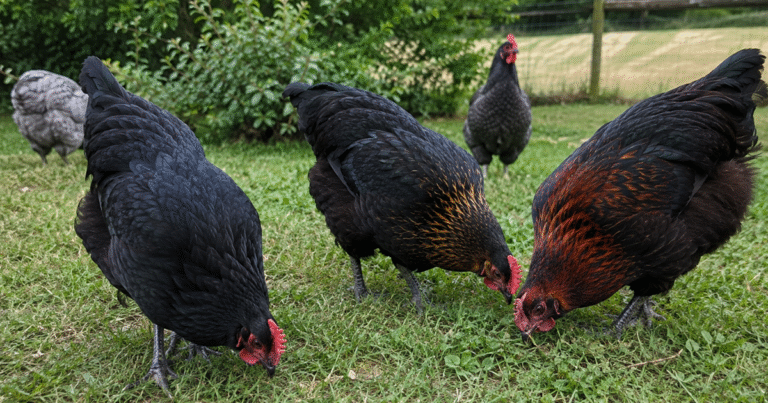
Black Australorp – Excellent winter layers with calm temperaments
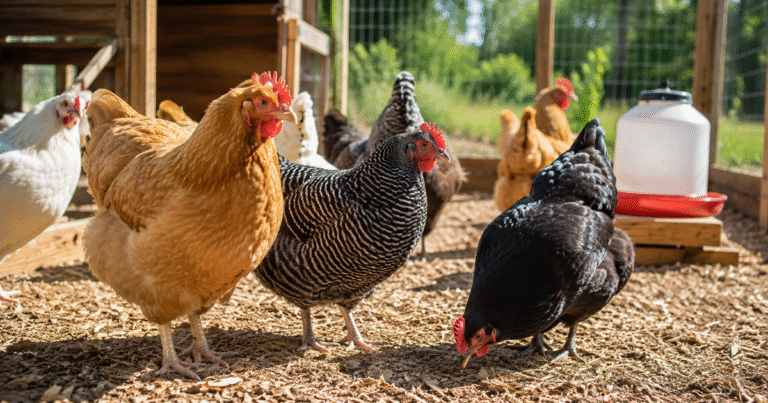
Barred Rock – Reliable brown eggs and very beginner friendly
For families who want colorful egg baskets, Easter Eggers are a popular choice, laying blue, green, or pastel eggs that are always a hit with customers and kids alike.
Goal #2: Friendly Backyard Companions
Many first-time chicken owners want birds that are calm, easy to handle, and good around children.
If temperament is a priority, consider:
Buff Orpington – Gentle, affectionate, and excellent for beginners
Light Sussex – Curious, friendly, and adaptable
Black Australorp & Splash Australorp – Calm, social birds that do well in mixed flocks
Delaware – Docile and easygoing with solid egg production
These breeds tend to integrate well into backyard flocks and are less aggressive than more high-strung varieties.
Goal #3: Raising Chickens for Meat
If your focus is homegrown, high-quality meat, selecting the right broiler breed is essential.
Valley Farms Hatchery offers two excellent meat bird options:
Cornish Cross Broiler – Fast-growing and efficient; ideal for families who want quick results
Pioneer Broiler – A robust alternative with excellent flavor and strong growth, favored by homesteaders
Meat birds have different nutritional and housing needs than layers, so they are often raised separately for best results.
Goal #4: Dual-Purpose Chickens
Dual-purpose breeds provide both eggs and meat, making them a popular choice for homesteads.
Good dual-purpose options include:
These breeds won’t lay as many eggs as production hybrids, but they offer versatility and long-term value.
Are you enjoying the content so far? Consider subscribing! You'll get an email every time we post a new blog, and best of all...it's FREE!
"*" indicates required fields
Goal #5: Expanding or Balancing an Existing Flock
If you already keep chickens, you may be looking to fill specific gaps in your flock.
Need more eggs? Add Sexlinks, Leghorns, or Production Reds
Want calmer personalities? Choose Orpingtons or Australorps
Looking for color variety? Easter Eggers add visual appeal
Managing extra roosters? Bargain Roosters and Surplus Specials can be economical options
Valley Farms Hatchery also offers Hatchery Choice Layers, ideal for customers who want a productive mix of laying breeds at a value price.
Consider Your Space and Climate
Before ordering chicks, evaluate your setup. Larger breeds need more coop space, while active birds require room to roam. Cold-hardy breeds like Wyandottes, Australorps, and Orpingtons perform well in cooler climates, while Leghorns and Sexlinks handle heat exceptionally well.
Start Strong With the Right Breeds
Choosing the right chicken breeds from the beginning sets you up for healthier birds, better production, and fewer frustrations down the road. Whether your goal is eggs, meat, friendly pets, or a little of everything, Valley Farms Hatchery offers breeds that fit every type of chicken keeper.
Starting your flock with healthy, carefully selected chicks ensures your chicken-keeping journey begins on the right foot.