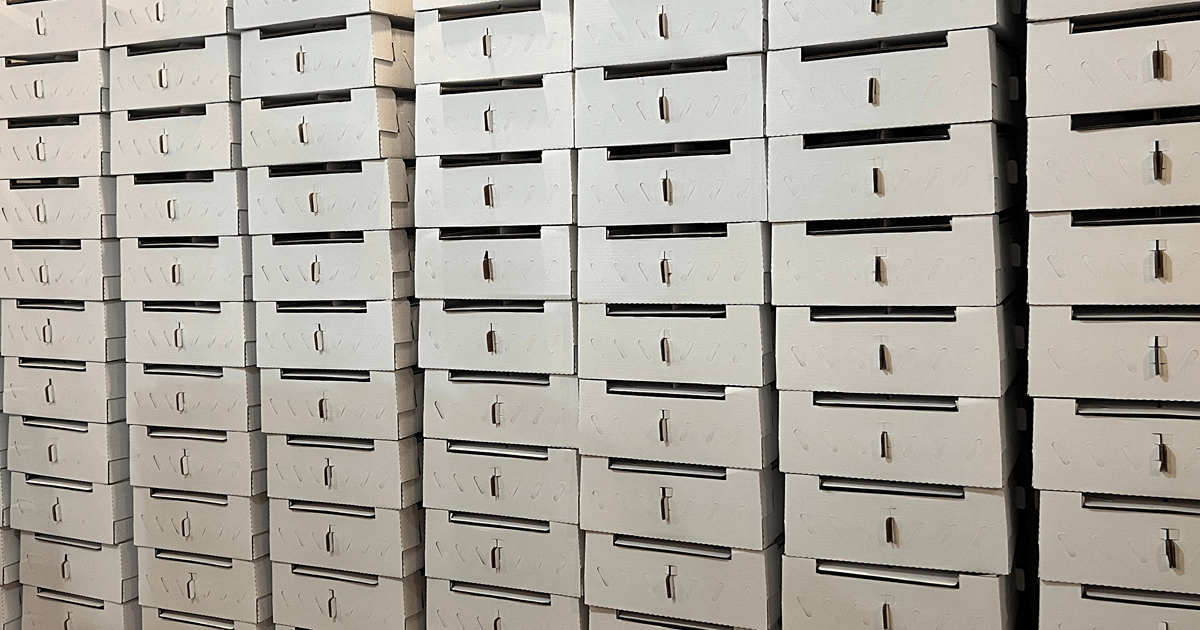

For many first-time customers, the idea of live chicks being shipped through the mail can sound surprising. A common question we hear is: “How can chicks travel safely without food or water?”
The answer lies in nature, science, and decades of proven poultry-shipping practices. Here’s how shipping live chicks works — and why it’s safe when done correctly.
How Chicks Survive the First Few Days After Hatching
Just before a chick hatches, something remarkable happens.
The chick absorbs the remaining yolk from the egg into its body, which provides all the nutrients and hydration it needs for its first 3–4 days of life.
This process happens naturally in both wild and domestic birds. In nature, eggs rarely hatch all at once. Some chicks may hatch a day or two earlier than others and must wait before the hen leaves the nest. That built-in nutrient reserve allows chicks to survive safely during that waiting period — the same biological advantage that makes safe shipping possible.
Because Valley Farms Hatchery uses precise, controlled incubation, chicks hatch strong, alert, and ready for travel.
Specially Designed Chick Shipping Boxes
Live chicks are never shipped in ordinary boxes.
Valley Farms Hatchery uses purpose-built chick shipping boxes designed specifically for safe transport.
These boxes include:
Straw bedding for insulation and comfort
Strategically placed ventilation holes to regulate airflow
Insulated construction that helps maintain body heat
Chicks naturally huddle together, sharing warmth during transit. This clustering helps them stay comfortable throughout the journey.
Weather-Adjusted Shipping Protection
Shipping conditions change with the seasons, and chick care changes with them.
Cold weather: Heat packs are added to maintain safe temperatures inside the box
Warm weather: Hydration gel is included to provide supplemental moisture and prevent dehydration
These adjustments ensure chicks remain safe and comfortable whether they’re traveling in cooler or warmer conditions.
Are you enjoying the content so far? Consider subscribing! You'll get an email every time we post a new blog, and best of all...it's FREE!
"*" indicates required fields
How to Count Shipping Days Correctly
One of the most common points of confusion is how shipping days are counted.
Day One is the day after chicks are shipped — not the day they are mailed.
This is because chicks are typically shipped late in the day to minimize time in transit and align with USPS transport schedules.
For example:
Shipped Monday afternoon
Tuesday = Day One
Wednesday = Day Two
This method reflects the actual time chicks are traveling, not when the shipping label is created.
Why USPS Tracking Can Be Misleading
USPS tracking systems are designed for standard mail, not live animals.
Live chicks are:
Clearly labeled
Handled separately
Given transportation priority
Because of this priority handling, chick shipments often move faster than the computer-generated tracking estimates suggest. It is very common for chicks to arrive before the estimated delivery date shown online, even when tracking appears delayed.
In most cases, chicks leave processing facilities faster than normal mail, despite what automated systems indicate.
Why Ordering From a Reputable Hatchery Matters
Shipping live chicks safely depends on:
Proper incubation timing
Healthy parent stock
Correct box design
Weather-aware shipping adjustments
Valley Farms Hatchery follows industry-proven practices that have safely delivered chicks to customers for generations. Starting with strong, healthy chicks and pairing that with careful shipping methods ensures they arrive ready to thrive once placed in a warm brooder.
What to Do When Your Chicks Arrive
Once your chicks arrive:
Bring them inside immediately
Place them under a properly heated brooder
Provide fresh water and starter feed
Allow them time to rest and adjust
After their journey, most chicks quickly perk up and begin exploring within minutes.
A Proven, Time-Tested Process
Shipping live chicks through the mail isn’t new — it’s a practice that has worked successfully for decades. By combining nature’s design with modern hatchery care and USPS priority handling, chicks can travel safely and arrive healthy.
If you ever have questions about your shipment, Valley Farms Hatchery is always here to help guide you every step of the way.